

When someone tells you someone they know died, the usual reaction is “I’m sorry for your loss,” especially when it’s a family member. People feel the most pity for those whose parent has died, but not everyone is sad when their mother or father dies. Some don’t mind it at all.
Let’s Break a Taboo
I’m breaking a major, universal taboo by writing this, and you might be just by reading it: I was relieved and grateful the day my mother died back in 2013.
When I was growing up, I served the following functions for my mother: maid, marriage counselor (she effectively turned me against my dad), best friend, massage therapist, and general whipping girl. She even had me finish her sentences when she couldn’t think of the word (after I left her home, I never read a mind again). I rubbed her back to help her fall asleep even when I wanted to go to bed. I absorbed her anger when she raged at me for mistakes that didn’t deserve that reaction.
My mother was unhappy and, because she couldn’t rely on my dad for support, I was the person who had to make things better. I don’t know if she had borderline personality disorder (BPD), but she had enough of the behaviors to make me wish I’d known about BPD when I was growing up. There are strategies that would have helped me a lot, but I only learned about BPD later in life, when I’d already gone no contact with her.

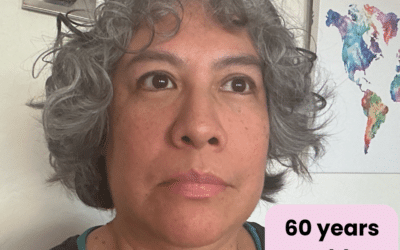
Selfie taken three days after burying my mother.
My mother was warm, loving, funny and generous and I very much enjoyed her company. I particularly liked going to the grocery store with her or just running errands. I felt safe with her. But I also didn’t feel safe with her at all. Her anger erupted unpredictably and I couldn’t rely on her good moods to last. I tensed up when she came home from work or got out of bed. Was she in a good mood? Was she upset about anything? Was she mad at me? To this day, the sound of a door being unlocked and opened causes a faint reverberation of that old anxiety.
I’m amazed and envious when people tell me about someone who was difficult to get along with, but who mellowed with age. I’m baffled when someone tells me their mother was a wonderful person and they don’t know how they’re going to get along now that she’s gone.
Don’t Get on Her Bad Side
My entire greater family knew my mother wasn’t easy to get along with, and even her friends and acquaintances knew they didn’t want to get on her bad side. But she was emotionally abusive only with me. It was hard to listen to people talk about how wonderful she was at the rosary service and the funeral service. I wanted to correct all of them, saying, “She was generous with you, but she terrified me the whole time I was growing up. And her abuse never stopped. I had to uninvite her to my wedding.”
But putting her in the ground felt great.
We all drove from the church to the cemetery to lower her casket into the plot. I rode with a friend who understood my relationship with my mother. “She’s gone!” I crowed. “Dave, my mother is DEAD.” I otherwise kept my happiness to myself, of course, but if anyone had wondered why her oldest daughter stared dry-eyed at her coffin, I would have been glad to explain it.
Don’t You Dare Send Me a Card
I warned my co-workers not to get me flowers or even a card. I wanted nothing that expressed sympathy for my mother’s death (I dislike the word passing. It’s death, okay?). A sympathy card would have felt like someone trying to erase my experience. I told people it would be more appropriate to express sympathy for me because I had that person as a mother, not because I was finally free of her. This puzzled them.
But it didn’t puzzle everyone. One coworker told me she had also been relieved when her father died. He’d had a disease that caused him a lot of suffering and she’d been glad when he finally went. Someone else told me she hadn’t been at all sad when her mother died. She absolutely understood people who didn’t mourn their parents.
Dead Mothers Club
In the 13 years since my mother’s death I have had moments of missing the good mother: the funny, warm person she was part of the time. I’ve had a couple of waves of grief for her. But I had actually lost that person years before 2013. When my mother died, I hadn’t seen the nice version of her for quite a while.
So if you’ve experienced the death of a parent that caused you to feel emotions that didn’t include grief, sadness or loss, I’m with you. If there’s a dead mothers club, we’re a sub-group of people who are glad our mothers are no longer on the planet. If you’re self-conscious about feeling that way, don’t. No one should have to pretend to mourn someone they’re actually glad is gone.
You can also read or comment on this article on Substack.

It’s sad to hear that you didn’t have a good relationship with your mom and that you had a difficult relationship with her. I noticed as well how you refer to her as ‘mother’ rather than the friendlier ‘mom’ as if this reflects the difficult relstionship, when you refer to your dad as your ‘dad’ and not ‘father’.
I remember being happy and relieved when someone died, it was only my mom’s uncle who died when I was 15, but he was such a miserable and cantankerous old man I felt pleased that he was out of the way as I couldn’t stand him. Because him and his wife had no children, my family always went to see them and I dreaded this as I grew older
Thank you for your support of the statement that death isn’t always sad, at least not for everyone. You understand, Matt.