
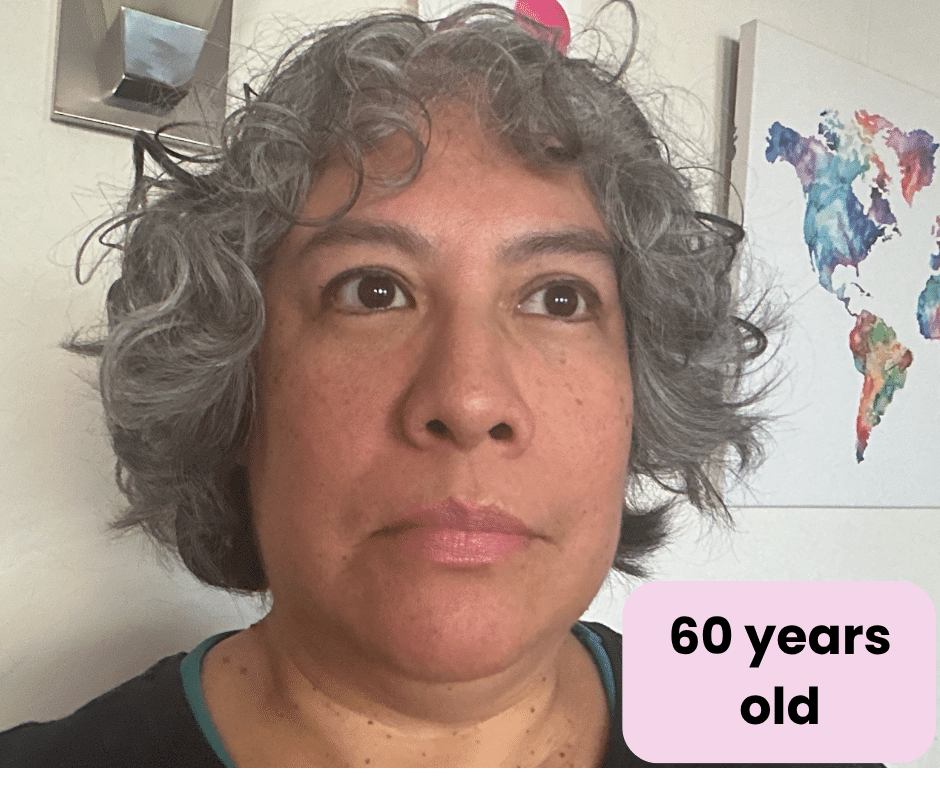
People of color might seem lucky because many of us don’t age the way white people do. But is that an advantage in a culture that reveres youth over age? I say it’s not.
Not Just Ageist But Sexist
First, Americans don’t revere age, we fetishize and obsess over it. Second, ageism is a problem for everyone, but “You don’t look your age” is more often said to women than to men. It reflects how much more a woman’s appearance matters than a man’s and suggests it’s bad for women to age.
Undercutting Our Status
Third, as important as Americans believe it is to look young, we also correlate age with experience and wisdom. We expect a woman who’s older to know more. So looking perpetually 35 years old will get you one kind of value, but cost you another.
Racism
When a white person doesn’t think a person of color looks her age, it’s clear how little attention that person has paid to people of color. White America obsesses over “fine lines and wrinkles,” but those aren’t the most important markers of age. Melanin-rich skin doesn’t act the same as pale skin, but white America never seems to learn this. Ignoring people whose skin is different from yours is racism.
A Tutorial
Here’s how to tell how old a person of color is, or at least guess the correct decade of her age. In fact, these are ways to tell how old anyone is, ignoring the wrinkle factor.
- Stop looking for facial wrinkles. The faces of many people of color don’t wrinkle or they don’t wrinkle until their 70s. Please stop thinking wrinkles always indicate age.
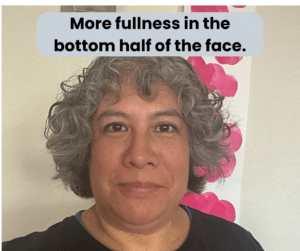
- Sometimes you can tell from the shape of the face whether someone is a young adult or a middle adult. Young faces are often wider at the eyebrow line. Older faces are often wider at the jawline.
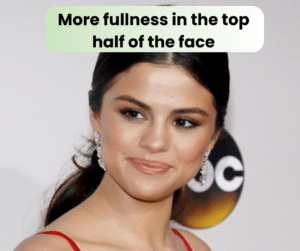
Selena Gomez Starstock | Dreamstime
- Consider bone structure. The skull deteriorates with age just like all the other bones in the body. Look for recessed eyes, prominent brows and softened jawlines.
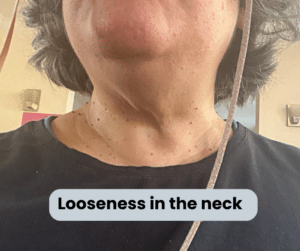
- Look at the neck. We might not get wrinkles in the face, but we often get loose skin at the throat. There’s also less distinction between the chin and the neck. Especially in us obese elders, the chin-jaw-neck connection can become one mass.
 Look at the hands. These can be a giveaway even for white women who’ve had “work done” on their faces. The hands get extra folds and creases as we age.
- Listen. Not only do voices change with age, but what we say changes with age. Do you detect authority? Confidence? Someone who knows what she’s talking about? Those can be indicators of age.
- Carriage. How does the person hold herself? There are differences between how young people carry themselves and how older people do. For instance, look at posture, gait, where the hands are, how much energy their body has.
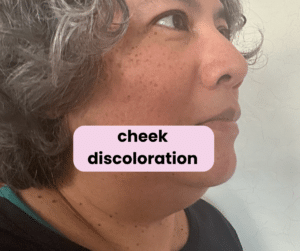
- Skin discoloration. My cheeks have increasingly large “freckles” or age spots.
- Puffiness. The women in my family don’t wrinkle, but our faces do discolor and get puffy.
- Hairline. Enough said.
Not Everyone
Of course, you might try to track all these things and still get caught off guard when a woman of color talks about her daughter who just left for college. When this happens, try not to look shocked. This is a prime moment when a white person will often say, “You don’t look old enough to have a daughter in college.” And it’s perfectly fine to say that. Just know that you’re participating in a certain dynamic and are revealing how little you know about what women of color look like.
These are not fail-safe ways to detect age and they won’t apply to everyone and many of them won’t apply to the majority (of minorities). These are just guidelines. What’s required is for you to be observant. Start paying real attention to people of color. Put aside your envy of how we don’t wrinkle and realize that you’ve been ignoring the ways we do visibly age.
If there aren’t many melanated people in your life, pay more attention to the ones in the movies and shows you watch. Research the ages of the actresses/actors who play characters of color and use them as examples of what a person can look like at that age.
In Dee Dee Sung’s video Why “You Don’t Look Your Age” Bothers Me she says “When we hide our age. When we shrink ourselves to fit cultural expectations, we participate in our own erasure.” She’s talking about the erasure of women older than 45, which is about when people stop noticing us or even remembering we exist (as in ad campaigns and medical research).
Sung discusses why she’ll no longer say “thank you” when someone tells her she doesn’t look her age. Taking those comments as compliments confirms that a woman’s value is largely in how young she looks. The next time someone tells me I don’t look 60, maybe I’ll say “Actually, I do.”
Extra Credit
You can start increasing your understanding of how people of color age by clicking on these links and really absorbing what ages these people are.
- Michael B. Jordan is 39 years old.
- Jimmy O. Yang is also 39 years old.
- Steven Yeun is 42.
- Danny Pudi is 47.
- Mindy Kaling is also 47.
- Zoe Saldaña is 48.
- Idris Elba is 55.
- Sandra Oh is 56.
- Jennifer Lopez is 57.
- Janet Jackson is 60.
- Michelle Obama is 62.
- Erik Estrada is 77.
- Rita Moreno is 94.

0 Comments