
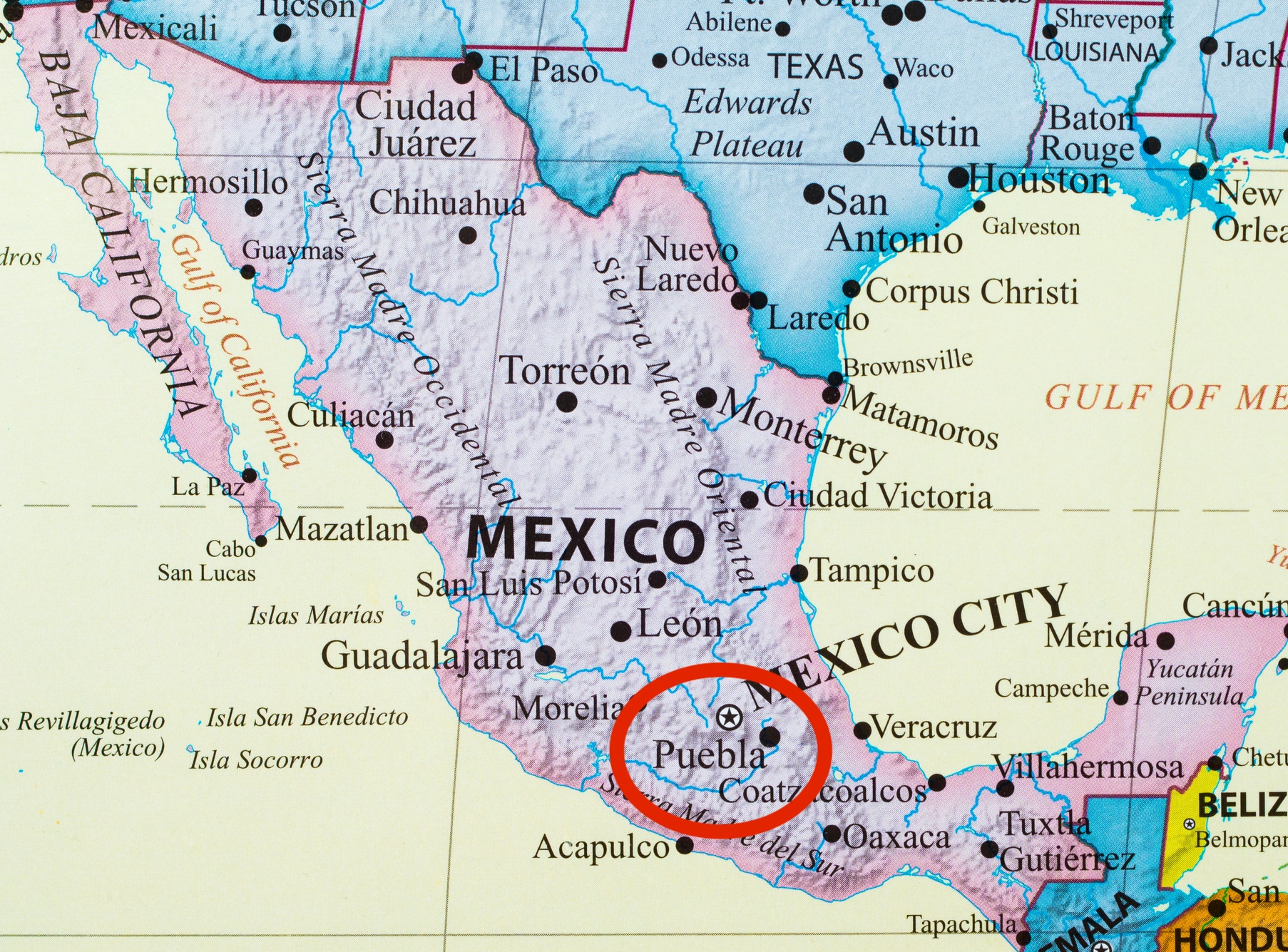
Cinco de mayo is not Mexico’s independence day (that’s 16 September). Cinco de mayo is the day on which the Mexican army successfully defended the city of Puebla from French forces in 1862. At that time, France wanted to take over New World by taking over Mexico. This was France’s second attempt to do that.
In the Battle of Puebla, the odds were hugely in favor of the French, so when the Mexican defeated them it was an incredible achievement and the event is recognized to this day. But it’s mainly recognized by the current inhabitants of Puebla, not the entire country of Mexico. And the Puebla residents who celebrate it do so with military reenactments, not parties. (France actually won later battles and occupied Mexico for a while. Mexico has had its territory assaulted/stolen by a few countries.)

Me in a folklorico dancing norteño costume (1975)
Cinco de mayo wasn’t recognized in the U.S. as a holiday until 1933 when President Franklin Roosevelt made it part of his Good Neighbor Policy. He wanted to improve relations with countries in Central America and South America. I don’t know why he thought one way to do that was to teach Americans about this particular historical event. If he wanted to bring a Mexican holiday to the U.S, it seems like it should have been Mexican Independence Day (on 16 Sept). Oh, well.
But Cinco de mayo didn’t make its way into American awareness in a significant way until the 1980s. That’s when American companies saw a marketing opportunity and began building up cinco de mayo as a reason to consume large quantities of tequila, beer and wine. If we can call Valentine’s Day a Hallmark holiday, we can call the American version of cinco de mayo a liquor company holiday.
People who “celebrate” cinco de mayo with tacos, lots of drinking, and racist fake mustaches and sombreros, aren’t sharing traditional Mexican culture. They’re participating in a U.S-appropriated day that was commercialized about 40 years ago.

My sister in the traditional folklorico costume for the Veracruz region of Mexico.
That said, many Mexican Americans have our own cinco de mayo events. These often include food, music, and performances that celebrate Mexican culture. No fake mustaches.
When we were growing up, my sister and I were in a folklórico group. Please enjoy some blurry photos from those times, over 40 years ago.
If you’d like to honor Mexican culture in a real way, here are some ideas.
- Educate yourself about which holidays are important to Mexicans and Mexican Americans.
- Go to celebrations hosted by a Mexican American community near you. Be a guest at their cinco de mayo event (and rejoin them for Mexican Independence Day on 16 September).
- Visit museums such as Chicago’s National Museum of Mexican Art. Take your time and read the notes next to the exhibits.
- Consume media created by Mexicans and Mexican Americans: movies, books, videos, blogs, websites, articles, social media feeds, etc. Be sure it’s not content that’s just about Mexicans. Make sure it’s BY Mexicans. Look at topics that intrigue you from someone else’s perspective.
- Invite friends over to watch a Mexican-directed movie that stars Mexican actors (the 2021 movie The Forever Purge actually counts).
If you can’t talk your cinco-de-mayo-drinking friends into exploring real culture with you, at least ask them not to call their drinking party “cinco de mayo.” And if you follow through on any of my suggestions, thank you!

My sister performing a traditional Jalisco folklorico dance (1982)

I would love it if Americans knew this is a largely liquor-company-created holiday, making it kinda dumb to say, “Happy cinco de mayo.” At least for ME, if someone wishes ME “Happy cinco de mayo,” it sounds like either “Happy commercialized alcohol day” or the equivalent of “Happy Re-enactment of the Battle of Gettysburg” or at best, “Happy day when Americans pay lip service to multiculturalism.”
I had some very good times performing with the Ballet Folkorico Mexica back in the day.
Ladies and gentlemen: my sister, Judy Rodriguez!